
The Role of Microwave Digestion Systems in Trace Metal Analysis
Trace metal analysis is a critical process in various industries, including environmental monitoring, food safety, and pharmaceuticals. Accurate detection and quantification of trace metals require precise sample preparation, and this is where microwave digestion systems play a pivotal role. In this article, we'll explore the importance of microwave digester for trace metal analysis and how these systems enhance laboratory efficiency and accuracy.
What is Trace Metal Analysis?
Trace metal analysis involves detecting and quantifying metals present in samples at very low concentrations (parts per billion or even parts per trillion). This process is essential for ensuring compliance with regulatory standards, assessing environmental contamination, and maintaining product quality in industries like food and pharmaceuticals.
Why is Microwave Digestion Important for Trace Metal Analysis?
Microwave digestion systems are widely regarded as the gold standard for sample preparation in trace metal analysis. Here's why:
- Speed: Microwave digestion significantly reduces sample preparation time compared to traditional methods like hot plate digestion.
- Accuracy: Controlled heating ensures complete digestion of samples, leading to more accurate and reproducible results.
- Safety: Closed-vessel systems minimize the risk of exposure to hazardous acids and fumes.
- Versatility: Microwave digesters can handle a wide range of sample types, including solids, liquids, and complex matrices.
How Microwave Digestion Systems Work
Microwave digestion systems use microwave energy to heat samples in the presence of strong acids, breaking them down into a form suitable for analysis. The process involves the following steps:
- Sample Preparation: The sample is placed in a digestion vessel with an appropriate acid or solvent.
- Microwave Heating: The vessel is exposed to microwave radiation, which rapidly heats the sample and acid mixture.
- Digestion: The heat and acid work together to dissolve the sample completely.
- Cooling and Analysis: After digestion, the sample is cooled and prepared for analysis using techniques like ICP-MS or AAS.
Applications of Microwave Digestion in Trace Metal Analysis
Microwave digestion systems are used in a variety of applications, including:
- Environmental Testing: Analyzing soil, water, and air samples for heavy metal contamination.
- Food Safety: Detecting trace metals in food products to ensure compliance with safety standards.
- Pharmaceuticals: Ensuring the purity of drug formulations by identifying trace metal impurities.
- Geology: Analyzing rock and mineral samples for elemental composition.
Comparison of Microwave Digestion vs. Traditional Methods
| Feature | Microwave Digestion | Traditional Methods |
|---|---|---|
| Digestion Time | Minutes | Hours |
| Accuracy | High | Variable |
| Safety | High (closed-vessel system) | Low (open-vessel system) |
| Versatility | Handles complex matrices | Limited |
Why Choose a Microwave Digestion System?
Microwave digestion systems are a valuable investment for laboratories focused on trace metal analysis. They offer unparalleled speed, accuracy, and safety, making them an essential tool for modern analytical workflows.
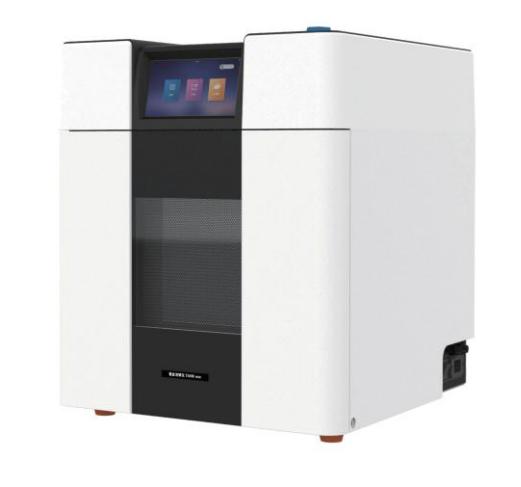
As shown in the image above, modern microwave digestion systems are compact, efficient, and designed to meet the rigorous demands of trace metal analysis.
Microwave digestion systems have revolutionized trace metal analysis by providing a fast, accurate, and safe method for sample preparation. Their ability to handle complex samples and deliver consistent results makes them indispensable in laboratories across various industries.
If you're looking for a reliable and high-performance microwave digestion system, we recommend exploring the microwave digestion systems available at Drawell Analytical. Their advanced systems are designed to meet the highest standards of quality and efficiency, making them a top choice for laboratories worldwide.