
Fine-grained Metal Gears Vs Machined Gears Key Differences
When it comes to choosing between fine-grained metallic element gears and machined gears, sympathy their distinct manufacturing processes and performance characteristics is crucial. Powdered metal gears can be cost-effective for high-volume production, but you might find they lack the potency of machined gears. On the other hand, machined gears volunteer victor enduringness but come at a high terms. So, which choice truly meets your needs? Let s explore the key differences.
Manufacturing Processes and Techniques
When it comes to manufacturing gears, the option between pulverised metallic element and machined methods can importantly bear upon performance and cost.
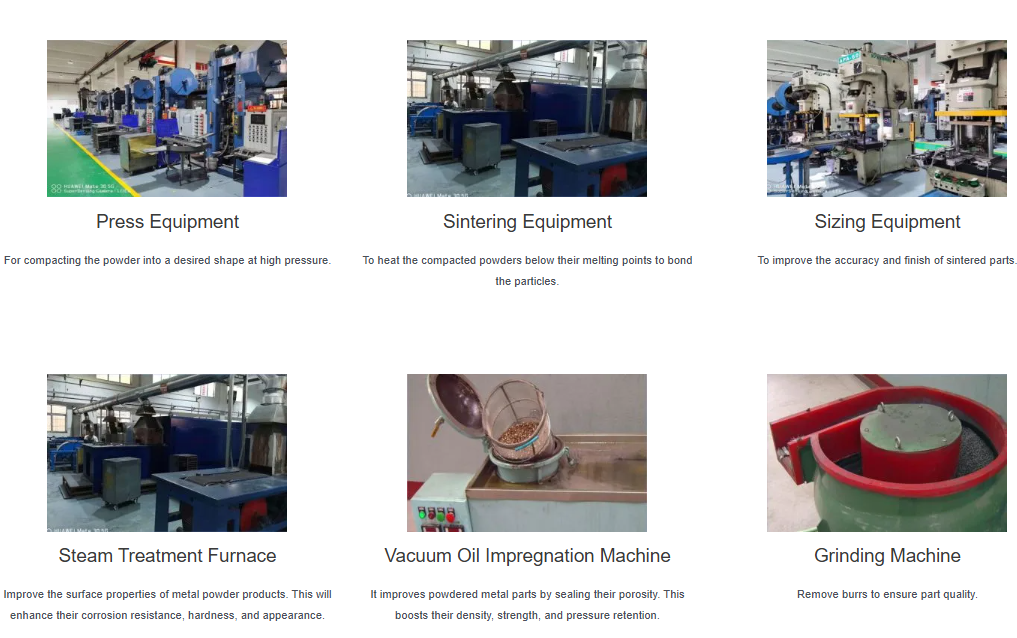
Powdered metal gears are created by compacting metallic element powders under high squeeze and then sintering them, subsequent in a thick gear with uniform properties. This technique allows for complex shapes and minimizes waste, making it cost-effective for high-volume production.
On the other hand, machined gears take up as solid state blocks of metallic element that are cut, formed, and destroyed using various machining processes. While this method offers accurate tolerances and master come up finishes, it can be more time-consuming and expensive, especially for big runs.
Ultimately, your pick depends on your fancy requirements, production volume, and budget constraints.
Performance and Durability Comparisons
While both powdered metal and machined gears can deliver honest public presentation, their strength often varies supported on the practical application and in operation conditions.
Powdered metallic element gears are in the main more porous, which can lead to lour potency compared to their machined counterparts. However, they can wield certain applications well, especially in high-volume product where angle simplification is crucial.
On the other hand, machined gears offer superior effectiveness and precision, making them saint for heavily-duty applications or environments with high stress. You ll find that if your see demands homogeneous performance under unpleasant conditions, machined gears often come out on top.
Ultimately, choosing the right gear type depends on reconciliation performance requirements with the particular demands of your application.
Cost Factors and Economic Considerations
As you weigh your options between fine metallic element gears and machined gears, sympathy the cost factors mired is material.
Each manufacturing method acting has its terms implications that can touch on your visualise budget.
- Material costs: Powdered metal often uses less raw material, lowering expenses.
- Production speed: Powdered gears can be produced quicker, reducing push on costs.
- Tooling expenses: Machined gears want overpriced tools and sustenance.
- Waste propagation: Machining creates trash material, profit-maximising overall .
- Volume pricing: Higher quantities of small-grained metal parts can lead to significant discounts.
Conclusion
In summary, choosing between pulverised powdered metal gears and machined gears comes down to your particular needs. If you’re looking for cost-effective solutions for igniter applications, fine metal gears might be the way to go. However, if durability and preciseness are your top priorities, machined gears are the better option. By understanding these key differences, you can make an privy that best suits your visualise’s requirements and performance expectations.