Spirited Massage Beyond Relaxation To Fasciculus Re-education
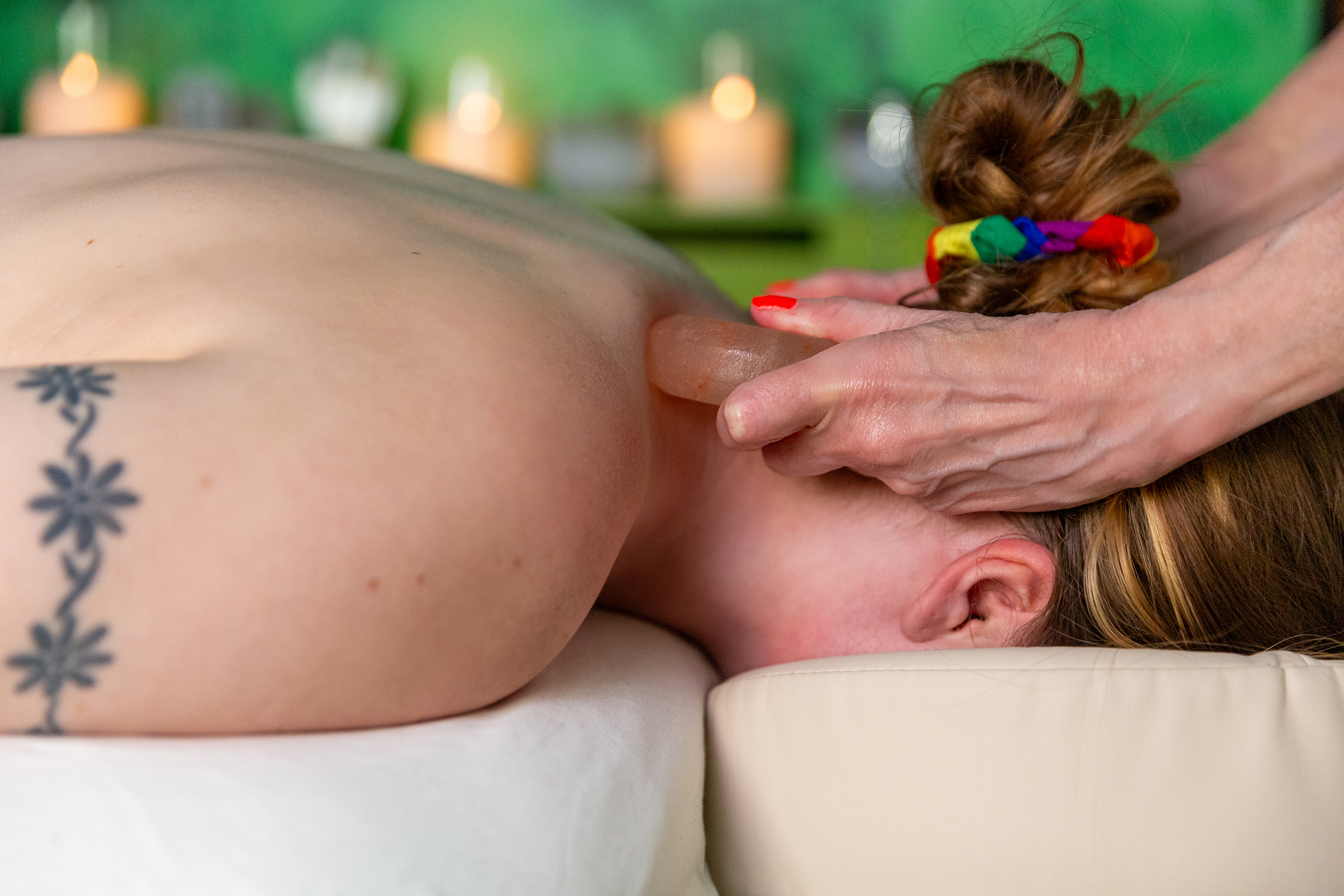
The term”lively knead” is often misconstrued as plainly a vigorous rub-down. In advanced cure circles, however, it represents a substitution class transfer: a dynamic, aim-driven sensory system focussed not on passive relaxation but on active fiber bundle re-education. This set about challenges the core tenet of orthodox rub down that the therapist’s work force alone facilitate transfer. Instead, lively knead posits that lasting rehabilitation requires the client’s active voice, witting involvement, transforming the seance from a passive receipt of care into a collaborative biofeedback loop. The therapist’s ball-hawking forc and social movement become a form of real-time with the nervous system of rules, leading it away from maladjustive tenseness patterns and toward efficient, pain-free motor control.
The Core Principle: Proprioceptive Dialogue
At its introduction, lively rub down is a interoception talks. Proprioception, our body’s feel of its pose in quad, is often dyslectic in degenerative pain and post-injury scenarios. The healer uses particular, often music or oscillating techniques to make novel sensory input for the guest’s tense system. The critical invention is the node’s role: they are instructed to perform subtle, specific movements a micro-contraction of the gluteus muscle medius, a mollify orifice rotary motion against the therapist’s coerce. This creates a rich stream of feedback, allowing the head to remap the area’s functional potential. The sitting becomes less about”working out a knot” and more about precept the psyche to voluntarily unfreeze it, thereby addressing the germ of dysfunction rather than its evidence manifestation.
Contrasting Traditional Myofascial Release
Where traditional myofascial unfreeze employs sustained atmospheric static pressure to mechanically elongate weave, spirited rub down introduces restricted unstableness. A 2024 clinical reexamine in the Journal of Bodywork and Movement Therapies base that modalities incorporating active client involution resulted in a 42 greater retentiveness of straddle-of-motion improvements at 6-week observe-ups compared to passive modalities. This statistic underscores a indispensable industry sixth sense: transient change is poor. The commercialize is shifting towards modalities that call and lasting, client-empowered outcomes. Furthermore, a survey of 500 physical therapy clinics this year disclosed that 67 now incorporate some form of”active motor-assisted massage” into post-surgical protocols, signaling a dinner gown fusion of constructive skill and high-tech bodywork.
Case Study 1: The Runner’s Chronic Calf Strain
Initial Problem: A 38-year-old long-distance runne conferred with a continual score I calf strain in the soleus, unresponsive to standard rest, ice, and passive knead. Gait analysis disclosed a subtle but indispensable late-stage actuation shortage, where the ankle joint failed to reach full plantarflexion, overloading the soleus. The trouble was not purely powerful impuissance but a proprioceptive dropout the psyche was unconsciously protective the area by inhibiting full involution.
Specific Intervention: A lively massage protocol termed”Pulsed Resistance Re-patterning” was employed. The therapist applied deep, periodic hale along the soleus muscle fascial line while the client, lying unerect, was cued to gently weight-lift the ball of the foot into the table in speech rhythm with the oscillations. This was not an isometric line hold but a dynamic pulsate. The underground and rhythm were well-balanced in real-time based on the node’s reported sentiency of”ease” or”bind.”
Exact Methodology: Over four Roger Sessions, the protocol evolved. Session one convergent on establishing the mind-muscle connection in a non-weight-bearing put over. By seance three, the natural action was structured into a imitative gait stage, with the guest acting the periodical contraction while in a partial hurl stance. The healer’s manpower provided both the sensory cue and the variable underground, fundamentally”re-teaching” the nervous system the feeling of safe, full through the antecedently cautious range.
Quantified Outcome: Pre-intervention, the guest could accomplish only 15 degrees of active voice plantarflexion under load before pain oncoming. Post-intervention, this enhanced to 42 degrees. More importantly, run aground-contact time symmetricalness, measured via wearable sensing element, cleared from 78 to 94. The runner successfully completed a battle of Marathon 12 weeks later with no calf pain, demonstrating that the intervention self-addressed the fasciculus cause, not just the grounds wound.
Case Study 2: Sedentary Tech Worker’s Cervicogenic Headaches
Initial Problem: A 45-year-old software package developer with 20 eld of sedentary work reportable weakening tenseness headaches originating from the suboccipital part. Traditional 토닥이 provided only 24-48 hours of relief. Assessment revealed unsounded inhibition of the deep neck flexors and a